Care is the cornerstone of our practice

Visit our Location
8425 Castleton Corner
Dr, Indianapolis, IN 46250
Give us a Call
317 - 400 - 5853
Send us a Message
hschiro@heroh.com
Opening Hours
Mon - Friday: 9AM - 4PM

Your blog category

Headaches After a Car Accident: Why You Shouldn’t Ignore Them

You didn’t hit your head during the accident. So why are you suddenly having headaches?

You were involved in a car accident a few days ago.

You walked away feeling pretty good.

Maybe your neck was a little sore, but nothing you thought was serious.

Then the headaches started.

At first, they were mild.

Now you’re noticing pressure around your head, pain at the base of your skull, or headaches that seem to come and go throughout the day.

You might even be taking pain medication just to get through work.

Here’s something you need to understand.

You don’t have to hit your head during a car accident to suffer an injury that causes headaches.

And those headaches could be telling you something important about your health.

Why Do Headaches Happen After a Car Accident?

When two vehicles collide, your body experiences forces that can cause sudden movement of your head and neck.

Even when you’re wearing a seat belt, your head may move rapidly forward, backward, or sideways.

This movement can affect the muscles, joints, ligaments, and nerves in your neck.

It can also cause a concussion or other head injury, even without a direct blow to your head.

Here are some reasons headaches may develop after a collision.

1. Whiplash Injuries

Whiplash occurs when the neck experiences a rapid acceleration and deceleration movement.

This sudden motion can strain the muscles and other soft tissues that support your head and neck.

When those tissues become irritated, you may experience pain that travels from your neck toward your head.

Some people notice headaches beginning at the base of the skull and spreading toward the forehead.

2. Muscle Tension

Your neck and shoulder muscles help support your head throughout the day.

Following a collision, these muscles may tighten as a protective response.

This tension can contribute to headaches, neck stiffness, and discomfort across your shoulders.

You may notice symptoms becoming more noticeable after sitting at a computer or driving.

3. Cervicogenic Headaches

Here’s a term you may not have heard before.

Cervicogenic headache.

It simply means a headache that originates from a problem in the neck.

Your neck contains joints, muscles, and nerves that can refer pain into your head.

When these structures become irritated, you may experience headaches even though the original problem is in your neck.

These headaches are sometimes accompanied by limited neck movement or pain when turning your head.

4. Concussions

A concussion is a type of traumatic brain injury.

It can happen when the brain moves rapidly inside the skull during a sudden impact or jolt.

You don’t have to lose consciousness to experience a concussion.

Symptoms may include headaches, dizziness, nausea, difficulty concentrating, sensitivity to light, or feeling unusually tired.

If you develop a headache after a car accident, you should seek prompt medical evaluation to rule out a concussion or more serious injury.

Why Headaches May Not Start Immediately

After an accident, your body activates its stress response.

Adrenaline can temporarily change how you experience pain.

As the hours pass, muscle soreness, inflammation, or other symptoms may become more noticeable.

This explains why some people don’t recognize their symptoms until later.

But delayed symptoms don’t automatically mean the problem is minor.

A headache that begins hours or days after a collision still deserves attention.

When Is a Headache After an Accident an Emergency?

Some headaches may be related to muscle or neck injuries.

Others may indicate something more serious.

Seek emergency medical care immediately if you experience:

  • A severe or rapidly worsening headache
  • Repeated vomiting
  • Confusion or unusual behavior
  • Fainting, seizures, or difficulty staying awake
  • New weakness, numbness, or trouble speaking
  • Problems with balance, vision, or coordination

These symptoms can indicate a serious neurological injury.

Do not attempt to treat them with chiropractic adjustments or home remedies.

Can Chiropractic Care Help With Headaches After an Accident?

Once serious injuries have been ruled out, chiropractic care may be one option for managing certain headaches associated with neck dysfunction.

At HEROH, we look at how the neck, upper back, and surrounding muscles are functioning.

Depending on your evaluation, treatment may include gentle mobility work, soft tissue therapy, appropriate joint treatment, and corrective exercises.

The goal is to improve movement, reduce musculoskeletal discomfort, and support your recovery.

Chiropractic care is not a substitute for concussion evaluation or emergency medical treatment.

And not every headache requires or is appropriate for spinal manipulation.

Stop Treating Every Headache Like It’s Just a Headache

Here’s the point I want you to remember.

The location of your pain doesn’t always tell you where the problem started.

Sometimes a headache begins with an irritated structure in your neck.

Other times, it may be related to a concussion or another medical condition.

That’s why identifying the cause matters.

Taking pain medication may provide temporary relief, but it doesn’t tell you why the headache started.

If your headaches began after a car accident, get evaluated rather than guessing.

Your Recovery Deserves Attention

You shouldn’t have to accept recurring headaches as part of your normal life.

And you shouldn’t assume they’re harmless simply because your accident seemed minor.

Pay attention to what your body is telling you.

Seek appropriate medical care.

And take the steps necessary to support your recovery.

Because feeling better starts with understanding what’s causing the problem.

Experiencing Headaches or Neck Pain After a Car Accident?

At HEROH, in Indianapolis, we help people address neck pain, stiffness, and movement problems following injuries.

After serious conditions have been excluded, we can help determine whether chiropractic care is appropriate for your recovery.

Schedule an evaluation and take the next step toward moving better and feeling better.

Dr. Jermaine Ware, DC, CCWP, CFMP

This article is for educational purposes and does not replace professional medical evaluation.

Why Pain Shows Up Days After a Car Accident and Why You Shouldn’t Ignore It

You walked away from the accident feeling fine. So why are you hurting three days later?

You were involved in a car accident.

Your vehicle was damaged, but you felt okay.

Maybe you had a little soreness, but nothing serious.

You figured you were lucky and went about your day.

Then something strange happened.

Two days later, your neck started feeling stiff.

The next morning, your lower back was hurting.

Now you’re experiencing headaches, tight shoulders, or pain that wasn’t there immediately after the accident.

Here’s what you need to understand: Just because you didn’t feel pain immediately after an accident doesn’t mean you weren’t injured.

Your body may be telling you something important.

And ignoring those signals could allow an injury to go untreated.

Why Does Pain Sometimes Take Days to Appear?

When you’re involved in a car accident, your body experiences forces it wasn’t prepared for.

Even a relatively minor collision can place stress on your muscles, ligaments, joints, and other soft tissues.

But you may not feel the effects immediately.

There are several reasons for this.

1. Adrenaline Can Temporarily Hide Pain

When an accident happens, your body activates its fight or flight response.

Adrenaline and other stress chemicals help you respond to danger.

During this response, your perception of pain can temporarily decrease.

You might feel shaken up but physically okay.

Once the excitement wears off, you may begin noticing discomfort that wasn’t obvious earlier.

2. Inflammation Can Develop Over Time

When muscles, ligaments, or other tissues are injured, your body begins a repair process.

Inflammation is part of that process.

As the hours pass, injured tissues may become sore, swollen, or stiff.

This is one reason you might wake up the next morning feeling worse than you did immediately after the accident.

Pain that develops later doesn’t automatically mean the injury is getting worse, but it does deserve attention.

3. Your Muscles May Be Protecting an Injured Area

Your body has a natural way of protecting itself.

When an area becomes injured or irritated, nearby muscles may tighten.

This protective response is sometimes called muscle guarding.

While it may help limit movement temporarily, it can also contribute to stiffness and discomfort.

You may notice that turning your head, bending forward, or getting out of bed becomes more difficult.

And what started as mild soreness may begin interfering with your normal activities.

5 Symptoms You Should Never Ignore After a Car Accident

Not every injury produces immediate symptoms.

Here are five warning signs worth paying attention to.

1. Neck Pain and Stiffness

Whiplash is one of the most recognized injuries associated with car accidents.

It happens when the head and neck experience a rapid back and forth movement.

This can strain muscles, ligaments, and other structures in the neck.

Symptoms may include neck stiffness, pain when turning your head, headaches, and reduced movement.

2. Lower Back Pain

A collision can place significant stress on your lower back.

Even when you’re wearing a seat belt, your body may experience sudden twisting or compression forces.

You might notice pain when sitting, standing, bending, or walking.

Persistent back pain should be evaluated rather than simply dismissed as soreness.

3. Headaches

Headaches after an accident can have several causes.

Sometimes they are associated with neck injuries or muscle tension.

However, headaches can also be a sign of a concussion or another serious injury.

A new or worsening headache after a collision needs prompt medical attention, especially if you hit your head or experienced a sudden jolt.

4. Shoulder and Upper Back Pain

Your shoulders and upper back help stabilize your body during sudden movements.

A collision may strain the muscles and soft tissues in these areas.

You may experience tightness between your shoulder blades, discomfort when lifting your arms, or pain across your shoulders.

5. Numbness or Tingling

Numbness, tingling, or pain traveling into your arms or legs may indicate irritation or injury involving a nerve.

These symptoms should not be ignored.

They deserve timely medical evaluation, particularly when accompanied by weakness.

Seek emergency care for severe or worsening headaches, confusion, repeated vomiting, new weakness, difficulty walking, loss of bladder or bowel control, or severe neck or back pain.

But My Accident Wasn’t That Bad!

This is something I want people to understand.

The amount of damage to your vehicle doesn’t always tell us how much damage occurred to your body.

I’ve worked with people who experienced significant discomfort after accidents that initially seemed minor.

The speed of the vehicles, direction of impact, body position, and other factors can influence how the body responds.

A small dent in your bumper doesn’t guarantee that your muscles and joints escaped injury.

At the same time, not every collision causes an injury.

The important thing is to pay attention to your symptoms rather than judging your health by how your vehicle looks.

Why Taking Pain Medication Isn’t Always Enough

When pain appears, many people reach for an over the counter pain reliever.

Medication may help reduce discomfort.

But feeling less pain doesn’t necessarily mean an injured area has fully recovered.

If you continue experiencing stiffness, weakness, or limited movement, you may need further evaluation.

The goal shouldn’t be simply to cover up symptoms.

The goal should be to understand what’s causing the pain and develop a plan that supports recovery.

That might involve medical care, chiropractic treatment, rehabilitation exercises, or a combination of approaches depending on the injury.

How Chiropractic Care May Help After a Car Accident

At HEROH, we believe that understanding how your body moves is an important part of recovery.

After serious injuries have been ruled out, a chiropractic evaluation may help identify problems involving your muscles, joints, posture, and movement.

Depending on your condition, a personalized care plan may include:

Chiropractic adjustments: To address certain joint mobility problems when manipulation is appropriate and safe.

Soft tissue therapy: To help manage muscle tension and discomfort.

Corrective exercises: To rebuild strength, improve movement, and support your return to normal activities.

Mobility training: To help restore comfortable movement in areas affected by injury.

Recovery education: To help you understand which activities may support recovery and which ones you should temporarily modify.

Not every injury requires chiropractic manipulation, and some conditions require medical imaging, specialist evaluation, or other treatment first.

Our focus is helping you understand your condition and identifying the safest path toward recovery.

What Should You Do If Pain Starts Days After Your Accident?

First, don’t panic.

Delayed soreness can happen after a collision, and many minor injuries improve with appropriate care.

However, don’t ignore symptoms that persist, worsen, or interfere with everyday life.

Here are four practical steps.

Step 1: Pay attention to your symptoms.

Notice where you’re hurting, when the pain started, and which movements make it worse.

Step 2: Get evaluated.

If you develop new symptoms after a collision, arrange a timely medical evaluation to determine whether additional testing or treatment is needed.

Step 3: Follow an appropriate recovery plan.

Depending on your injury, this may include gentle movement, rehabilitation exercises, and other recommended treatments.

Step 4: Don’t rush back into intense activity.

Give your body the opportunity to recover before returning to heavy lifting, strenuous exercise, or competitive sports.

Your Body Is Talking. Are You Listening?

Here’s something I tell people all the time.

Pain is information.

It’s one of the ways your body lets you know something may need attention.

And just because that message doesn’t show up immediately doesn’t mean you should ignore it when it does.

If you were involved in a car accident and started experiencing pain days later, don’t assume it will automatically disappear.

Find out what’s happening.

Understand your options.

And take the appropriate steps to help your body recover.

Because the goal isn’t simply to get out of pain.

The goal is to move better, feel better, and get back to living your life.

Experiencing Pain After a Car Accident?

At HEROH, we help people address musculoskeletal pain and movement problems following injuries.

Whether you’re experiencing neck stiffness, lower back discomfort, or limited movement, we’re here to help you understand your recovery options.

Schedule an evaluation today and take the first step toward moving better and feeling better.

Dr. Jermaine Ware, DC, CCWP, CFMP

This article is educational and does not replace medical evaluation, diagnosis, or emergency care.

Cash or Insurance? What Chiropractors Don’t Tell You About Costs

One of the biggest questions people ask before starting chiropractic care is: “How much is this going to cost me?”

Fair question. Healthcare is confusing enough. Add in deductibles, co-pays, and surprise bills, and it’s no wonder people hesitate to walk through the door.

So let’s break it down: cash or insurance — what’s really the best way to pay for chiropractic care?

The Truth About Insurance and Chiropractic

Most insurance plans cover chiropractic care — but here’s the catch: coverage is often limited.

Insurance might only pay for:

  • A certain number of visits per year
  • “Medically necessary” care (usually pain treatment, not wellness or prevention)
  • Specific treatment types (sometimes excluding extras like therapy or rehab exercises)

Translation? If you’re looking for long-term care, wellness adjustments, or performance care for athletes, insurance is not likely to pick up the tab.

The Hidden Costs of Insurance

Here’s what chiropractors don’t always tell you: using insurance isn’t always the cheapest route.

Why? Because:

  • You’re limited to what the insurance company decides you “need.”
  • If you haven’t met your deductible, you might end up paying the full bill anyway.
  • Insurance may not cover advanced therapies (like spinal roller tables, electric muscle stim, infrared heat, laser, or sports performance care).

So while insurance sounds like the best deal, it sometimes cost you more in the long run — especially if it keeps you from getting the care you actually need.

Why Choose Cash

More and more patients in Indianapolis, Carmel and Fishers are choosing to pay cash for chiropractic care.

Here’s why:

  • Transparent pricing: You know exactly what each visit costs, with no surprise bills.
  • Flexibility: Care plans can be built around your goals, not an insurance company’s rules.
  • Wellness focus: Cash care often covers preventative and performance care, not just pain relief.
  • Packages and memberships: Many chiropractors offer discounted plans for families, athletes, or long-term patients.

One mom told me she paid cash for her family’s chiropractic care because it was cheaper than paying her insurance deductible — and she liked knowing exactly what she was paying for.

What Does Chiropractic Cost Without Insurance?

Compared to the cost of ongoing pain meds, physical therapy, or surgery, chiropractic care is often the more affordable choice — especially if you’re proactive.

So… Cash or Insurance?

The real answer: it depends.

Either way, the key is transparency. Don’t be afraid to ask your chiropractor for a breakdown of costs, package options, and what insurance actually covers.

The Choice Is Yours

Chiropractic care doesn’t have to be a mystery or a money trap. Whether you pay cash or insurance, the important thing is getting the care your body needs.

 If you’re wondering about chiropractor cost without insurance in Indianapolis, ask upfront. The best offices will give you honest pricing, flexible options, and peace of mind — so you can focus on healing, not stressing over bills. Give Us A Call 317.400.5853


Don’t Book Until You Read This: How to Find the Best Chiropractor Near You

So, you’ve decided it’s time. The back pain, the stiff neck, or those nagging headaches finally convinced you: it’s chiropractor time.

You pull out your phone, type “best chiropractor near me for pain relief,” and suddenly — you’re staring at a long list of clinics. All of them promise results. All of them say they’re the best.

So… how do you know who to trust?

Before you book, here’s what you need to know.

Why Picking the Right Chiropractor Matters

Chiropractic care isn’t just about a quick “crack” and sending you on your way. The right chiropractor can:

  • Relieve pain naturally (without meds or surgery)
  • Find and fix the root cause of your problem
  • Prevent small issues from turning into big ones
  • Help you stay active, flexible, and confident in your body

Pick the wrong one, and you might end up with cookie-cutter care that only gives temporary relief.

5 Things the Best Chiropractors Have in Common

When searching for the best chiropractor near me for pain relief, here are the green flags to look for:

  1. Experience With Your Problem
    Do they treat what you’re dealing with? Back pain, sciatica, sports injuries, or headaches — not every chiropractor specializes in all of them.
  2. Customized Care Plans
    Your body isn’t the same as your neighbor’s. The best chiropractors create a plan just for you, not a one-size-fits-all program.
  3. Clear Communication
    They should explain what’s going on, what the plan is, and what results you can expect. No jargon, no guessing.
  4. Whole-Body Approach
    Pain relief is the start, not the end. The best chiropractors also help with posture, mobility, and lifestyle changes that keep you pain-free long term.
  5. Reputation in the Community
    Check reviews, ask friends, or see who other families in your area trust. Word-of-mouth is still one of the best tools you have.

A Quick Story

One patient came to me after trying two different chiropractors she found online. Both helped for a few visits, but the pain always came back.

Why? They were only treating her symptoms, not the cause. Once we built a care plan focused on correcting her posture and alignment, she finally got lasting relief.

The difference wasn’t luck — it was finding the right chiropractor who listened and created a plan that worked for her.

How to Make the Smart Choice

Here’s a simple trick: before booking, call the office and ask these two questions:

  1. “Do you have experience treating [insert your issue]?”
  2. “What does a typical care plan look like for patients like me?”

Their answers will tell you a lot. If they can’t give you clear, confident responses — keep looking.

The Choice Is Yours

Finding the best chiropractor near me for pain relief isn’t about luck — it’s about asking the right questions and knowing what to look for.

You can settle for temporary fixes… or choose a chiropractor who helps you find real, lasting relief.

At the end of the day, the choice is yours: keep managing pain, or finally take the step to fix it for good.


Neck Pain Gone Overnight? The Chiropractor Method That Works Fast

We’ve all been there. You wake up and can’t turn your head. Maybe it’s from sleeping funny, staring at screens too long, or just the stress of everyday life. Suddenly, even checking your blind spot while driving feels like a workout.

Neck pain isn’t just annoying — it can ruin your day (and your mood). The good news? Chiropractors have a method that works fast, without pain pills or endless waiting.

Why Neck Pain Is So Common

Your neck does a lot more than you think. It supports your head (which, fun fact, weighs about 10–12 pounds) and moves in almost every direction. Add in hours of screen time, poor posture, or stress, and it’s no wonder the muscles and joints get tight and irritated.

The most common causes of neck pain we see in Indianapolis are:

  • Muscle strain from looking down at phones (“tech neck”)
  • Poor posture at desks or while driving
  • Sleeping in awkward positions
  • Stress and tension creating muscle knots
  • Misalignments in the spine or joints

Why Pills Don’t Solve the Problem

Yes, over-the-counter meds might dull the pain for a few hours. But they don’t fix the root cause.

If your neck is out of alignment or your muscles are locked tight, painkillers are like putting tape over the check-engine light in your car. The problem’s still there — you just can’t feel it for now.

That’s why so many people end up with recurring neck pain that never truly goes away.

The Chiropractor Method That Works Fast

Here’s the truth: chiropractic adjustments are one of the fastest, safest ways to relieve neck pain.

Here’s why they work:

  • Restore alignment: Gentle adjustments move the joints back where they belong, taking pressure off nerves and muscles.
  • Reduce muscle tension: When your spine is aligned, tight muscles finally get to relax.
  • Improve movement: You can turn your head again without that sharp, stabbing pain.
  • Boost circulation: Better blood flow means faster healing.

Most patients feel noticeable relief after just a few adjustments — sometimes even overnight.

What to Expect on Your First Visit

If you’re searching “chiropractor for neck pain near me in Indianapolis,” here’s what a visit usually looks like:

  1. Consultation: We talk through when the pain started and what’s making it worse.
  2. Exam: Simple tests to check movement, muscle tightness, and nerve involvement.
  3. Imaging (if needed): X-rays or scans if we suspect something deeper.
  4. Customized care plan: Adjustments, stretches, and at-home tips designed for you.

The goal is simple: fast relief now and prevention of pain in the future.

A Real-World Example

One of my patients, a teacher in Carmel, came in unable to look left without pain shooting down her neck. She thought she’d “slept wrong” and it would go away, several days later, it hadn’t.

With chiropractic adjustments, her pain was gone within a day. Although results are not typical, she was back to teaching without discomfort.

Why Indianapolis Families Choose Chiropractic for Neck Pain

From professionals staring at computers downtown to high schoolers dealing with tech neck in Fishers, neck pain doesn’t discriminate.

That’s why so many people in Indianapolis, Carmel, and  Fishers turn to chiropractic care — because it’s safe, natural, and works fast.

Your Next Move

If neck pain is slowing you down, don’t just mask it with meds or hope it goes away on its own.

 BOOK YOUR APPOINTMENT today and wake up tomorrow with less pain, more freedom, and peace of mind.


Shocking Results: Chiropractors Helping With Herniated Discs

If you’ve ever had a herniated disc, you know it’s not just back pain — it’s a whole lifestyle disruptor. Getting out of bed, sitting at work, driving your car, even tying your shoes can feel impossible.

The good news? Surgery isn’t your only option. In fact, many people across Indianapolis are finding relief through chiropractic care — with results that might surprise you.

What Exactly Is a Herniated Disc?

Your spine is made up of bones (vertebrae) cushioned by discs. These discs act like shock absorbers, keeping you flexible and pain-free.

When one of those discs bulges or ruptures, the soft center pushes out and irritates nearby nerves. That’s when you get symptoms like:

  • Sharp back pain
  • Pain radiating down your leg (sciatica)
  • Numbness or tingling in your arms or legs
  • Weakness in certain muscles
  • Trouble sitting, standing, or walking for long periods

It’s not just uncomfortable — it can make everyday life feel impossible.

Why Surgery Isn’t Always the Answer

For years, people with herniated discs were told surgery was the only solution. But here’s the truth: surgery is risky, expensive, and not always effective.

And while pain pills might mask the discomfort, they don’t fix the problem either.

So where does that leave you? Looking for something safe, effective, and lasting.

How Chiropractors Help Herniated Discs

Here’s the shocking part: chiropractic care can often bring relief without drugs or surgery.

Here’s how it works:

  • Gentle spinal adjustments: Realign the spine to reduce pressure on the herniated disc.
  • Spinal decompression therapy (if offered): Creates space between vertebrae, allowing the disc to heal naturally.
  • Soft tissue therapy: Relaxes tight muscles that make the pain worse.
  • Targeted rehab exercises: Strengthen the spine and core to prevent future issues.

By addressing the root cause (pressure and misalignment), chiropractic gives your body the best chance to heal itself.

What to Expect in Indianapolis

If you search “chiropractor for herniated disc near me in Indianapolis,” here’s what your first visit usually includes:

  1. Consultation: We’ll review your symptoms and how they impact your life.
  2. Exam: Simple movement and neurological tests to pinpoint the problem.
  3. Imaging (if needed): X-rays or MRI referrals to confirm a herniated disc.
  4. Care plan: A customized combination of adjustments, therapy, and home care.

Most patients notice improvements in pain and mobility within weeks — some even sooner.

Real-World Example

One of my patients in Noblesville had been told surgery was his only option after dealing with sciatic pain for months. He wanted to avoid going under the knife, so he came in for chiropractic care.

After consistent adjustments and spinal decompression sessions, his pain reduced dramatically, and he avoided surgery altogether. Today, he’s back to golfing pain-free.

Why More People Are Choosing Chiropractic

Across Indianapolis, from Carmel to Fishers to Zionsville, more people are choosing chiropractic for herniated discs because it’s:

  • Non-invasive
  • Drug-free
  • Focused on long-term healing
  • Designed to improve mobility and quality of life

It’s not about “just living with it” or rolling the dice on surgery. It’s about taking control of your recovery.

The Choice Is Yours

Herniated discs are painful, frustrating, and scary — but they don’t have to define your life.

A chiropractor for herniated disc near you in Indianapolis can help relieve pressure, reduce pain, and restore movement — often with results that feel shocking compared to what you’ve been told.

Don’t let back pain run your life. Book your chiropractic exam today and discover what’s possible without surgery.


The #1 Cause of IBS Nobody Talks About (And How To Fix It)

If you’re struggling with Irritable Bowel Syndrome (IBS), you already know the drill: unpredictable bathroom runs, embarrassing bloating, stomach cramps that come out of nowhere. Maybe you’ve even been told, “It’s just stress” or “Try more fiber.”
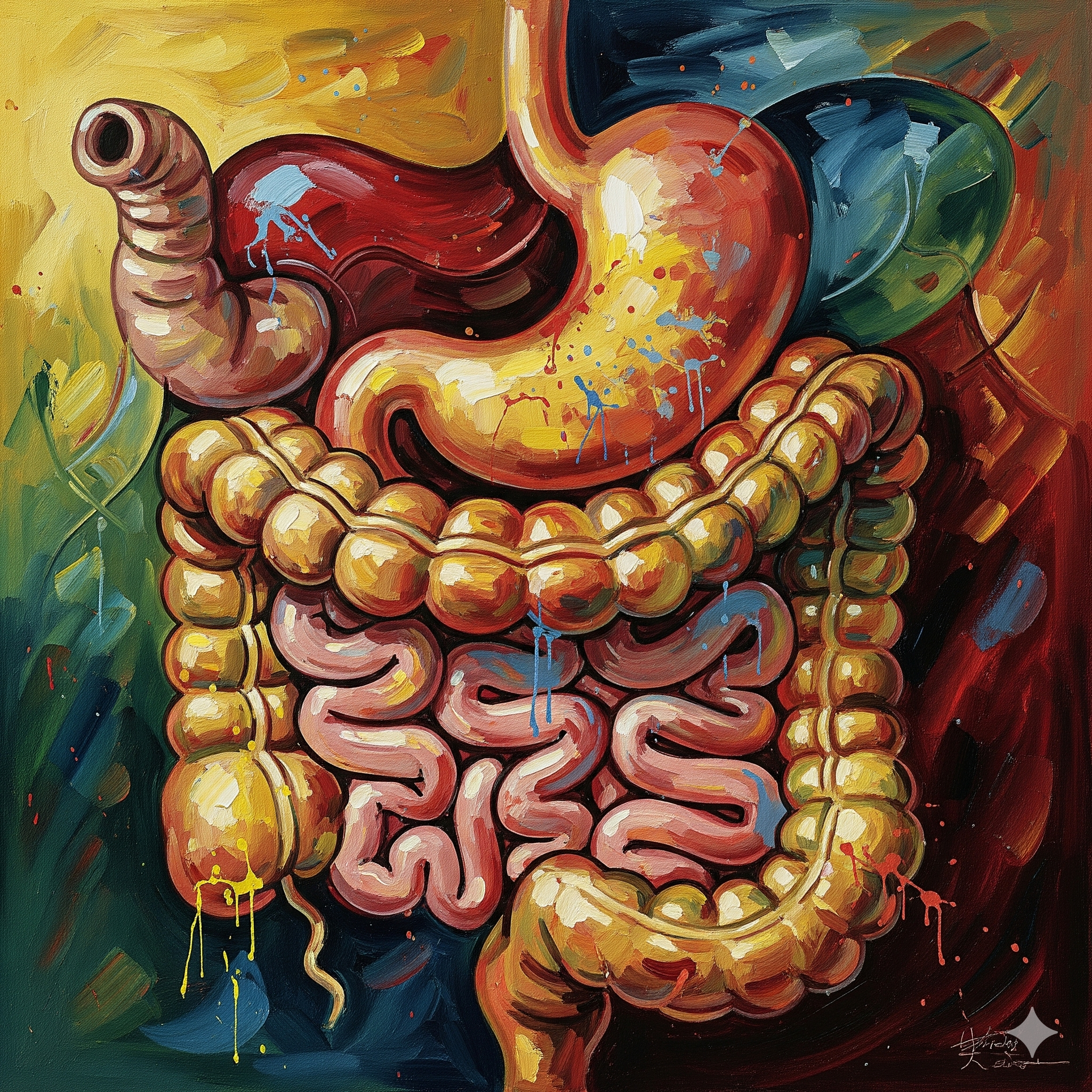
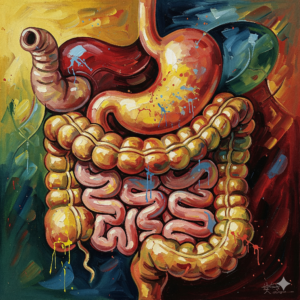
But here’s the truth most doctors won’t tell you: IBS isn’t random. There’s always a root cause—and functional medicine for IBS is designed to uncover it.

Why IBS Feels Like a Mystery

IBS is one of the most common digestive issues in the world. Millions of people live with it, yet the diagnosis is often vague:

  • “We don’t see anything wrong on your scopes.”
  • “Your labs look normal.”
  • “Try managing stress.”

In other words… IBS is often treated like a label for symptoms rather than a condition with a solution.

That’s why so many people get stuck cycling through restrictive diets, antispasmodic medications, and frustration.

The #1 Cause of IBS Nobody Talks About

Here’s what functional medicine knows: the gut is a system, not a symptom.

The hidden driver of IBS for most people isn’t stress alone—it’s an imbalance in the gut microbiome.

When the “good” and “bad” bacteria in your intestines get out of balance, it triggers:

  • Gas and bloating
  • Irregular bowel movements (constipation, diarrhea, or both)
  • Abdominal pain
  • Food sensitivities

This imbalance can be caused by antibiotics, processed foods, infections, stress, or even long-term use of acid-blocking medications.

How We Use Functional Medicine To Fix IBS

Unlike conventional medicine, which often hands out meds to reduce cramps or slow bowel movements, functional medicine takes a root-cause approach. Here’s the framework:

1. Remove Triggers

  • Identify food sensitivities (gluten, dairy, FODMAPs, artificial sweeteners).
  • Test for hidden gut infections like parasites or bacterial overgrowth (SIBO).
  • Reduce inflammatory foods that keep the gut irritated.

2. Repair the Gut Lining

  • Use targeted nutrients like L-glutamine, zinc, and omega-3s.
  • Incorporate stress reduction and quality sleep, which directly impact gut repair.

3. Rebalance the Microbiome

  • Introduce probiotics and prebiotic-rich foods.
  • Customize supplementation to restore the right ratio of gut bacteria.
  • Encourage diversity with fiber-rich, whole-food nutrition.

4. Restore Normal Function

  • Support healthy stomach acid and digestive enzymes.
  • Teach your gut to digest food properly again with natural supports.
  • Slowly expand diet instead of living in restriction.

The Life-Changing Results of Healing IBS Naturally

When you address the root cause, symptoms start to fade. Patients often report:

  • No more running to the bathroom in the middle of meetings.
  • Confidence to eat out without panic.
  • Reduced bloating and abdominal pain.
  • Better energy, mood, and even skin health (since the gut influences everything).

When Should You Try Functional Medicine for IBS?

Functional medicine may be right for you if:

  • You’ve tried conventional care with no real answers.
  • Your IBS is interfering with work, travel, or relationships.
  • You’re tired of managing symptoms instead of solving the problem.

The Choice Is Yours

IBS doesn’t have to control your life. The #1 cause—gut imbalance—can be uncovered and healed with the functional medicine approach. Instead of silencing your symptoms, functional medicine helps you transform your gut health.

Ready to stop guessing and start healing? Let’s Connect!


Why Gut Health Matters More Than You Think

Your gut isn’t just about digestion. It’s the command center for almost everything in your body:

  • 75% of your immune system lives in your gut.
  • The gut-brain connection directly affects your mood, memory, and focus.
  • Hormones and metabolism are heavily influenced by the balance of your microbiome.

That’s why when your gut is off, you don’t just feel it in your stomach—you feel it everywhere.

The Problem With Conventional Approaches

Conventional medicine often leans on prescriptions: antacids, antibiotics, or laxatives. These might bring temporary relief, but here’s the catch:

  • Long-term acid suppression lowers stomach acid, making digestion worse.
  • Antibiotics wipe out the good bacteria along with the bad.
  • Laxatives don’t solve the reason you’re constipated in the first place.

Functional medicine asks: What’s the root cause of these symptoms? Then it builds a personalized plan to fix it.

The 4-Step Functional Medicine Gut Healing Framework

Healing your gut naturally isn’t about a one-size-fits-all diet. It’s about restoring balance. Here’s how functional medicine approaches it:

1. Remove the Root Triggers

First, you eliminate what’s harming the gut: processed foods, excess sugar, gluten, dairy, and hidden food sensitivities.

  • Functional medicine testing can reveal infections (like candida or parasites) and intolerances most doctors miss.

2. Repair the Gut Lining

When your gut lining is damaged (“leaky gut”), toxins and food particles slip into your bloodstream, triggering inflammation.

  • Nutrients like L-glutamine, zinc, and omega-3s help repair the lining.
  • Stress management and quality sleep are essential—your gut can’t heal under constant pressure.

3. Rebalance the Microbiome

Your gut is home to trillions of bacteria. The right balance keeps digestion smooth and your immune system strong.

  • Probiotics and prebiotic-rich foods like sauerkraut, kefir, and fiber support balance.
  • A tailored supplement plan helps restore diversity in your gut flora.

4. Restore Digestive Function

Finally, support the body in doing its job:

  • Stomach acid and enzymes help break down food properly.
  • Bitters, digestive enzymes, or gentle supplements can retrain digestion.
  • Whole, unprocessed foods gradually reintroduced seal the process.

What Changes When You Heal Your Gut

Patients often notice benefits in surprising areas:

  • More energy throughout the day.
  • Clearer skin as inflammation settles down.
  • Better mood & focus (thanks to the gut-brain connection).
  • Freedom from bloating, reflux, and IBS symptoms.

When your gut works, everything works better.

When to Consider Functional Medicine for Gut Health

You should explore functional medicine if:

  • You’ve tried conventional care with little or no relief.
  • You’re dealing with chronic issues like IBS, reflux, constipation, or food sensitivities.
  • Your symptoms interfere with daily life, relationships, or confidence.

How to Get Started

Your first functional medicine visit usually includes:

  • A detailed health history (far beyond “where does it hurt?”).
  • Lab work to uncover hidden imbalances.
  • A customized nutrition, supplement, and lifestyle plan tailored to you.

Unlike quick prescriptions, this is care that addresses your whole system.

The Choice Is Yours

You don’t have to keep living with bloating, fatigue, and “mystery” digestive issues. Healing your gut naturally through functional medicine can restore balance not just to your stomach—but to your entire body.

When you heal your gut, you heal your life.

Ready to take the first step? [Let’s Connect, Schedule Here].


Why Every High School Athlete in Indianapolis Needs a Chiropractor

If you’ve got a high school athlete in your home, you already know: sports are no joke.
Between practices, games, tournaments, and the pressure to perform, today’s teens are training harder and competing more than ever.

And while that’s exciting, it also means their bodies are taking a beating.

That’s why chiropractic care for high school athletes in Indianapolis is more than just a “nice extra” — it’s a game-changer.

The Demands on Today’s High School Athletes

Let’s face it: sports aren’t what they were 20 years ago.

  • Training is more intense.

  • Seasons are longer.

  • Kids are specializing earlier.

By the time a high schooler is competing in football, basketball, soccer, track, or volleyball, they’re putting in hours that look a lot like a college athlete’s schedule.

And with that much pressure, injuries aren’t a matter of if — they’re a matter of when.

Why Parents Shouldn’t Wait Until There’s an Injury

Here’s the truth: most parents don’t think about chiropractic care until their athlete is already sidelined. But the real power of chiropractic comes from being proactive.

Chiropractic adjustments help athletes by:
*Keeping the spine and joints aligned for better movement.
*Reducing muscle tension that builds up from repetitive training.
*Improving flexibility and mobility, which lowers injury risk.
*Helping the body recover faster between practices and games.

Think of it like this: you wouldn’t wait until the car engine blows to change the oil. Chiropractic is that regular maintenance that keeps the whole system running smoothly.

The Hidden Injuries Parents Don’t See

Not every sports injury is obvious. Sure, a broken bone gets attention. But what about:

  • The nagging back pain your teen shrugs off.

  • The shoulder tightness that “only hurts after practice.”

  • The knee that “just feels off” but isn’t swollen.

These are exactly the kinds of issues chiropractic care catches early — before they become season-ending problems.

Real Stories, Real Results

I’ve worked with countless high school athletes in Indianapolis — from sprinters to linebackers — and the results speak for themselves.

One track athlete I treated had recurring hip pain that was slowing her down. With adjustments and targeted therapy, we restored balance in her stride. A few months later? She PR’d and qualified for state.

Another football player came in with constant low back pain. His parents thought it was “just growing pains.” Turns out, his spine was out of alignment from repeated hits. After chiropractic care, his pain was gone, and his performance improved on the field.

Why Indianapolis Athletes Have an Edge With Chiropractic

Indianapolis is a sports town. From Friday night lights to state championships, competition here is fierce.

That’s why local athletes need every advantage they can get. Chiropractic care for high school athletes in Indianapolis gives them:

  • Faster recovery.

  • Lower injury risk.

  • Improved performance.

  • Peace of mind for parents.

Your Next Move Parents

If your high school athlete is serious about their sport, don’t wait until they’re hurt to think about chiropractic. Being proactive can mean the difference between missing games and setting records.

Bottom line: Every high school athlete in Indianapolis needs a chiropractor in their corner.

So whether your son or daughter plays football at North Central, runs track in Carmel, or competes in basketball in Fishers — now is the time to add chiropractic care to their training routine. [Schedule with Us]


Allowing the Body to Heal

Maintaining low blood sugar is crucial for initiating the healing process within the body, and adopting a holistic approach to nutrition can make all the difference. When blood sugar levels are consistently high, it can lead to a cascade of health issues, including inflammation and insulin resistance, which hinder the body’s ability to heal itself. By focusing on balanced nutrition that stabilizes blood sugar levels, we create an environment conducive to recovery.

A holistic approach emphasizes not just what we eat but how we eat. Incorporating whole foods rich in fiber, healthy fats, and lean proteins helps regulate blood sugar levels effectively. Foods such as leafy greens, nuts, seeds, and whole grains provide essential nutrients while preventing spikes in glucose. Additionally, mindful eating practices—like taking time to savor meals and listening to our bodies’ hunger cues—can further enhance our nutritional efforts.

By prioritizing low blood sugar through thoughtful dietary choices, we empower our bodies to heal naturally. This commitment not only supports physical health but also promotes mental clarity and emotional well-being. Embracing this holistic perspective on nutrition is not just about managing symptoms; it’s about fostering a sustainable lifestyle that nurtures overall wellness.